Why Drip Irrigation Fails Many Homeowners
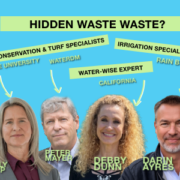
Contributors: Steve Whitesell, Debby Dunn, Darin Ayres,
Drip irrigation promises precision water delivery and significant savings. It waters plant root zones directly, minimizes evaporation, and reduces runoff. In theory, it’s the most efficient irrigation method available.
Key Takeaways:
- Drip saves water when used correctly
- Clogs and bursts occur invisibly
- Requires technical knowledge many homeowners lack
- Failures hide until major waste occurs
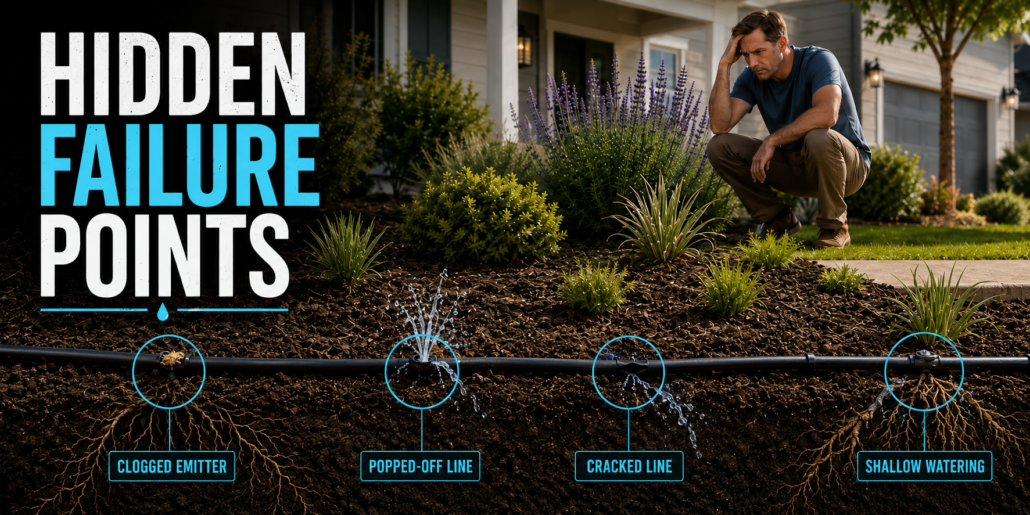
In practice? Many residential drip systems underperform. Clogged emitters, burst lines, improper pressure, and lack of maintenance turn efficient systems into sources of waste and damaged landscapes.
We spoke with irrigation experts to explore why the benefits of drip irrigation don’t always align with the day-to-day reality of residential maintenance.
Debby Dunn, Waterwise Landscape Expert
Debby Dunn brings decades of experience in water conservation program design and implementation, specializing in waterwise landscaping and efficient irrigation. Her experience includes assisting and educating over 12,000 people over the decades including her positions as the Water Conservation Administrator of the City of Beverly Hills and the Senior Water Resource Specialist for the San Diego County Water Authority.
Dunn identifies the knowledge gap and failure modes:
“Drip can save water, but most gardeners don’t know how to use it.”
“With point-source drip, the emitter often clogs, moves or pops off. Unfortunately, the customer may not know until plants die or a geyser erupts causing erosion in the landscape. With point-source or in-line drip, people often set their controller wrong – like 5 minutes every day. Considering drip emits gallons per hour, the water does not get deep into the soil to the root zones, and starves the plants.”
Dunn’s takeaway: Drip irrigation requires more awareness than overhead systems. Homeowners must understand emitter spacing, watering duration, and filtration requirements, but most don’t. The out-of-sight nature of drip compounds the problem. Clogged emitters and surface watering slowly starve plants. Since most people irrigate at night, a burst line may go on for a while before someone notices the terrible water waste.
Darin Ayres, National Sales Manager for Specification at Rain Bird Corporation
Darin Ayres is the National Sales Manager for Specification at Rain Bird Corporation, where he works with water agencies, municipalities, and universities to create sustainable, water-efficient landscapes.
Ayres pinpoints the technical barrier:
“Drip requires understanding of flow and pressure—most homeowners don’t have it.”
Ayres’ takeaway: Proper drip irrigation requires technical knowledge about hydraulics and pressure regulation that overhead spray doesn’t demand. Commercial properties have professional irrigation managers. Residential homeowners typically don’t. Programs promoting drip irrigation must include extensive education and ongoing support. As detailed in our analysis of why complexity creates barriers, technical requirements that exceed homeowner capacity lead to poor adoption and maintenance.
Your Program’s Next Move
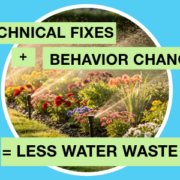
Drip irrigation delivers on its efficiency promise only when properly designed, installed, and maintained. For residential programs, success requires more than equipment rebates.
Three immediate actions:
- Require professional installation: Subsidize both equipment and expert setup for residential drip systems
- Provide ongoing maintenance support: Create programs that include annual system checks and emitter cleaning
- Target appropriate applications: Prioritize drip for tree/shrub zones, not turf areas
- Require filtration at the valve: Prevents debris from entering the system, reducing clogs and long-term maintenance burden
- Specify above-grade, visible emitters: Allows homeowners to quickly confirm flow and catch failures before they escalate
For strategies on supporting complex conservation technologies, see our guide on behavioral tactics that increase program participation.